A Son of Lucknow
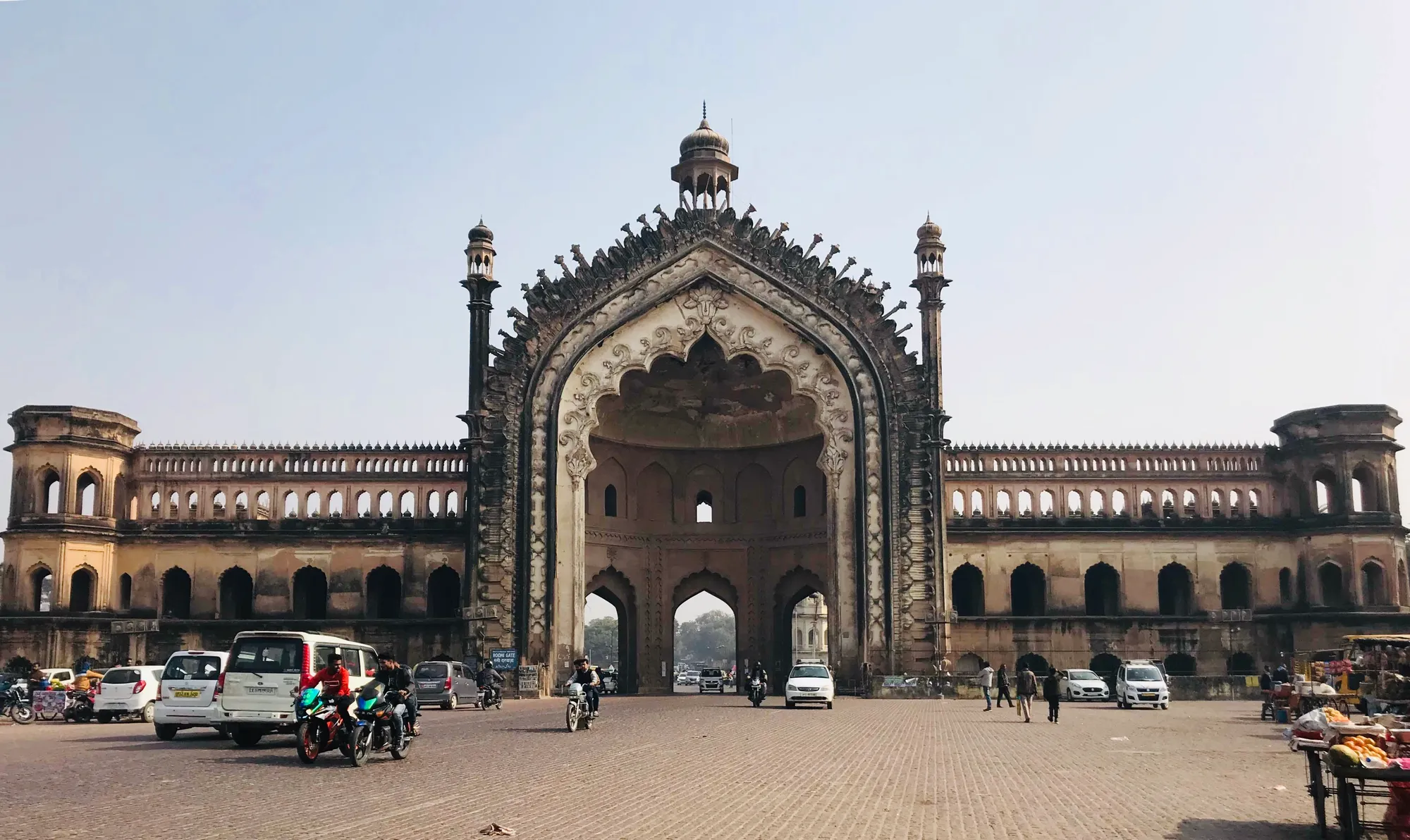
Mirza Mohammed Athar was born in Lucknow on 9 September 1936, into a household where the spoken word was an inheritance. Lucknow, the old capital of Awadh, was then still the great centre of Shia learning in the subcontinent: a city of imambaras, madrasas and the refined Urdu for which it is famous.
His father, Fakhr-ul-Waizeen Maulana Mirza Mohammad Tahir, was known in his own time as a preacher of unusual sweetness of speech. That gift passed to both of his sons. Athar and his brother, later honoured as Khateeb-ul-Irfan Mirza Mohammad Ashfaq Shauq Lakhnavi, would each become distinguished orators. Those who knew the family say the brothers developed their styles themselves, but that the eloquence was in the blood.
Madrasa and University
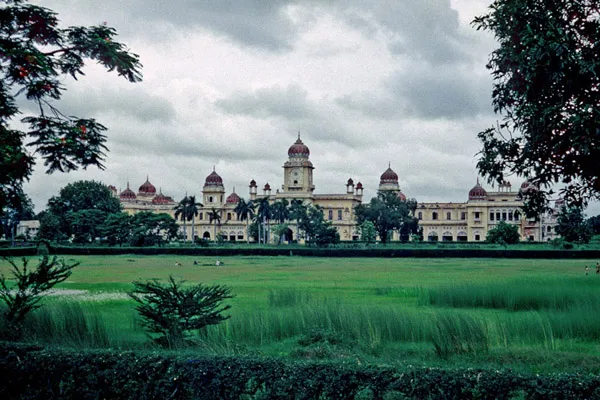
His formal religious education took place at Sultan-ul-Madaris, one of Lucknow's foremost Shia seminaries, where he graduated with the degree of Sadr-ul-Afazil, the institution's highest qualification.
Unusually for a cleric of his generation, he paired the seminary with the university. At the University of Lucknow he earned a Master's degree in Persian Literature, the classical language of the poetry, history and philosophy on which so much of Indo-Muslim culture rests. This double training, traditional and modern, would mark his oratory: scriptural depth delivered with a literary ear.
The Teacher
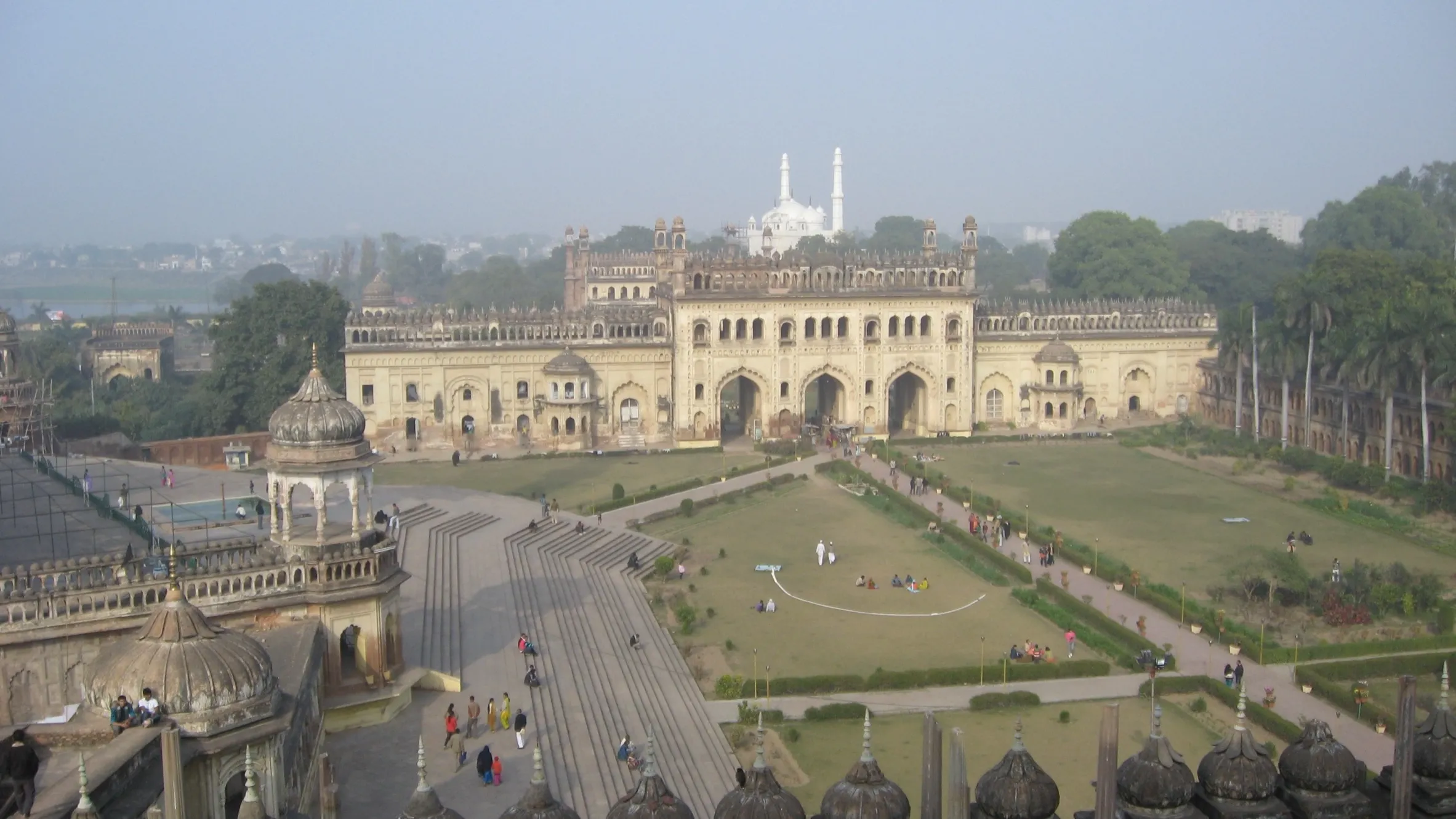
For many years he taught Persian literature at the Shia Post-Graduate College in Lucknow. Today the college houses the Khateeb Akbar Library on Sitapur Road, named in his honour, where seminars on his life and work continue to be held.
He also wrote. At a seminar on the two brothers, the Srinagar editor Dr. Mohammad Zafar Haidari presented a paper on Athar as a journalist, a side of his work far less well known than his oratory.
Khateeb-e-Akbar
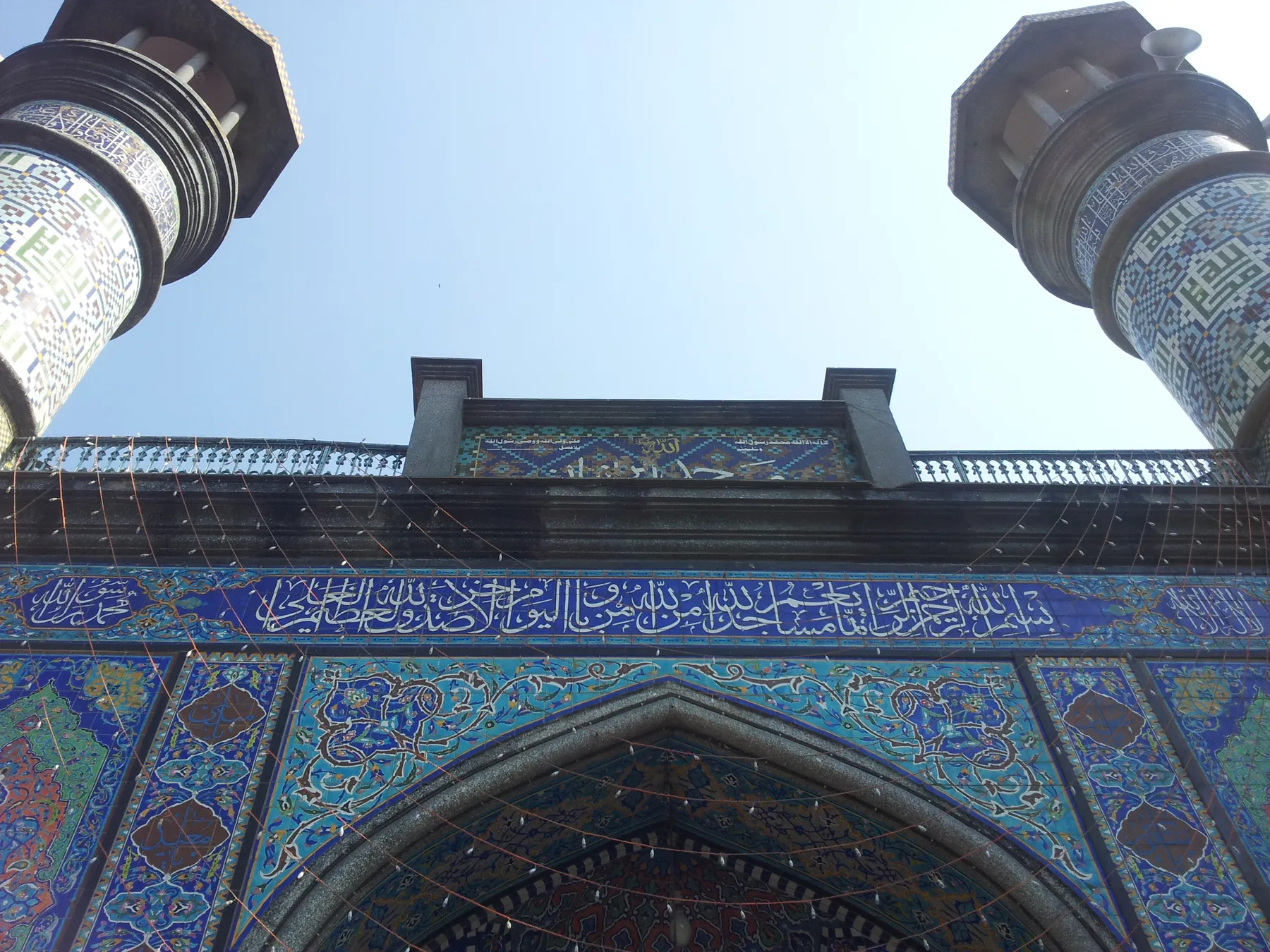
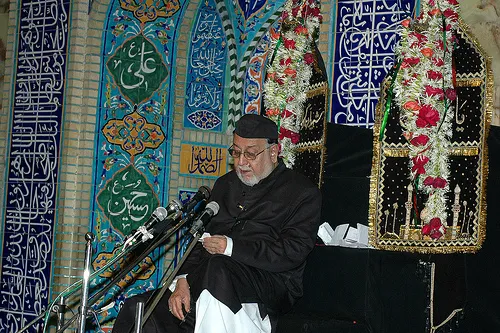
It was at the minbar that he became a legend. In 1958 he began addressing the Muharram majalis at Masjid-e-Iranian, the historic Mughal Masjid of South Mumbai. He returned every year without a break. By 2008 he had completed fifty consecutive years, and by the end of his life the run had reached fifty-seven seasons, a record in the city.
His majalis drew listeners from every school of Islam and from beyond it. Shia and Bohra communities alike regarded him as their own, and his gatherings were attended by people of other faiths. The honorific by which he became known, Khateeb-e-Akbar, "the greatest orator", was a recognition of that reach.
He travelled widely to speak about the Ahl al-Bayt, the family of the Prophet. His voice was heard in Pakistan, the Middle East, the United Kingdom, the United States and Australia. A series of nineteen majalis he delivered in Dubai on Sirat-e-Mustaqeem, "the Straight Path", still circulates among listeners today.
A Voice for the Community
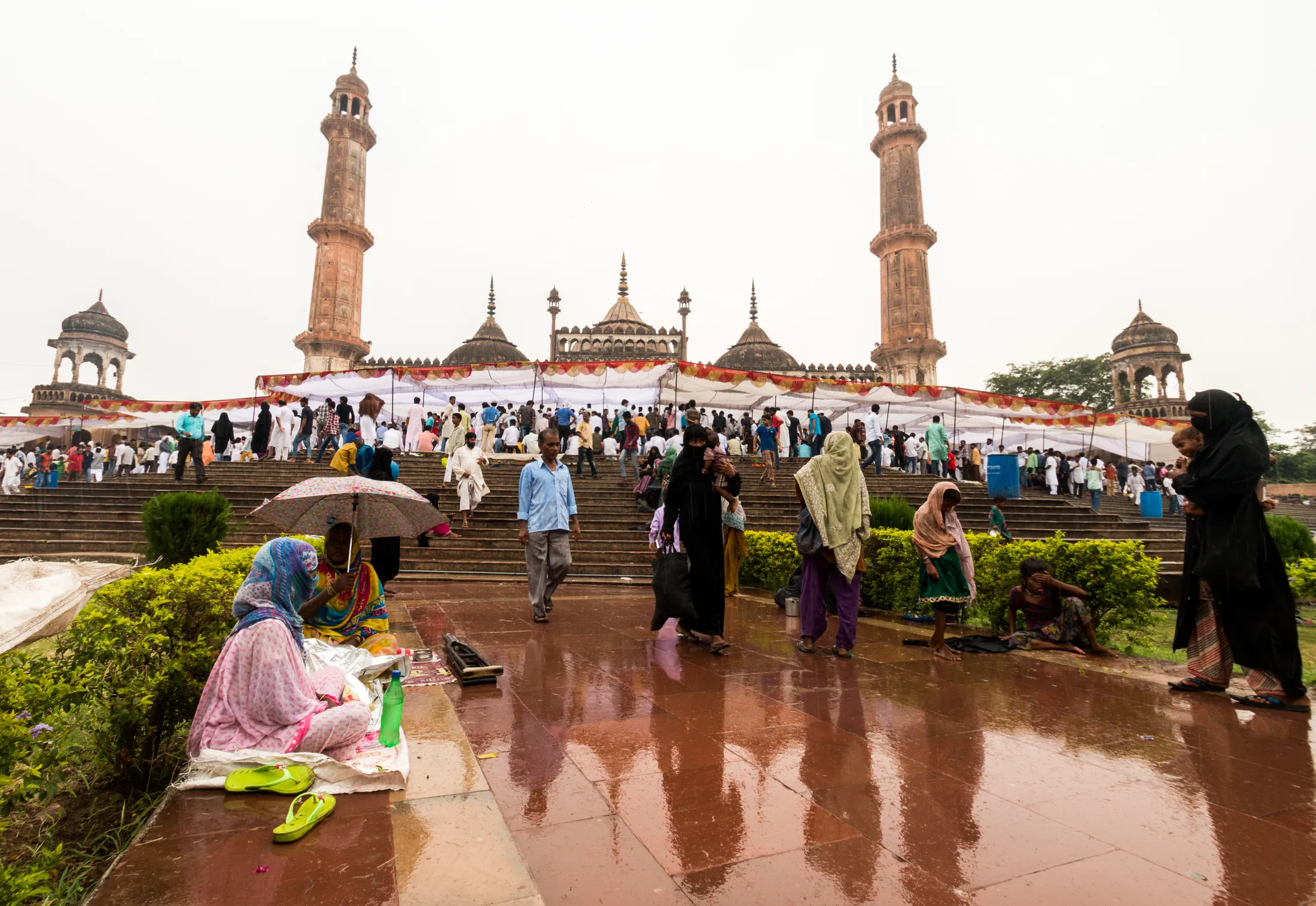
Though never a politician, he understood the political climate and was sought out for counsel. He had been part of the All India Muslim Personal Law Board, but many Shia Muslims felt their views were being neglected there. On 23 January 2005 he was elected the first president of the newly formed All India Shia Personal Law Board, based in Lucknow, and he led it for the rest of his life.
Under his leadership the board drafted a model nikahnama, a marriage contract for the Shia community. Athar called it "a decisive step for the empowerment of women of the Shia community", reporting that it had been approved by Grand Ayatollah Sistani and that it gave Shia women a right to seek divorce. "This is not a religious, but more of a social issue," he said. "We have given a solution to an age-old problem. It is up to the people to accept it or not."
He remained engaged until the very end. In January 2016, weeks before his death, he was in Mumbai for a protest against the execution of Sheikh Nimr al-Nimr in Saudi Arabia.
Farewell
After a long battle with pneumonia, Maulana Mirza Mohammed Athar died on the afternoon of Friday, 26 February 2016, at Max Hospital in Saket, New Delhi. He was seventy-nine. In the Islamic calendar the date was 17 Jumada al-Ula 1437.
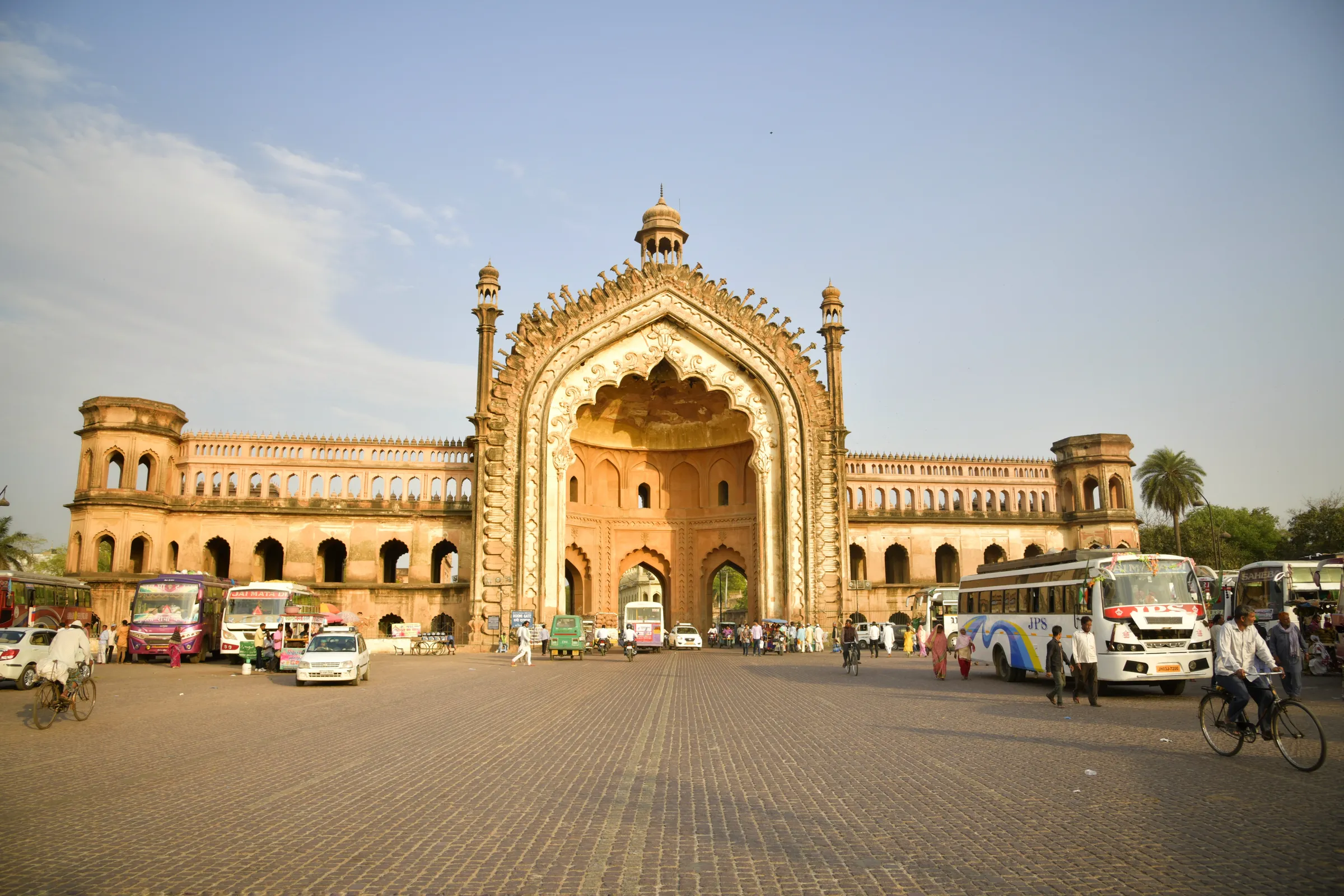
His body was brought home to Lucknow that night. On 27 February thousands of mourners from many communities followed the funeral procession from Karbala Dayanat-ud-Daula. Ayatullah Hameed-ul-Hasan led the Namaz-e-Janaza, and the Chief Minister of Uttar Pradesh, Akhilesh Yadav, attended. He was buried at Karbala Imdad Hussain Khan in Rajajipuram, beside the grave of his father.
A family of the minbar
Father
Fakhr-ul-Waizeen Maulana Mirza Mohammad Tahir
A preacher renowned in his own era for the sweetness of his speech. Athar was laid to rest beside him.
Brother
Khateeb-ul-Irfan Maulana Mirza Mohammad Ashfaq Shauq Lakhnavi
Himself a distinguished Urdu orator; the two brothers are remembered together as masters of the Lucknow minbar.
Son
Maulana Mirza Mohammad Yasoob Abbas
Born 1970 in Lucknow. Cleric, speaker and spokesperson of the All India Shia Personal Law Board; General Secretary of Shia College, Lucknow.
Son
Dr. Aijaz Athar
Scholar who has written and spoken on the legacy of his father and uncle.